
A senior living community is a very personal place, but it’s also a business. Keeping occupancy healthy means constantly reaching new families, and the best way to reach the right ones is to speak directly to them. That starts with knowing exactly who your marketing is for.
Personas help with that. This guide covers what they are, the personas most communities need, how to build them from real people, and how to use them in marketing and sales.
What a marketing persona is
A persona is a written profile of one type of person you want to reach: their situation, motivations, worries and the questions they’re trying to answer. As content strategist Ardath Albee describes it, “A marketing persona is a composite sketch of a key segment of your audience.”
You probably already have a clear sense of who your residents are. Writing it down is what makes your messaging sharper, and it gets everyone on your marketing and sales teams working from the same picture.
The personas most senior living communities need
Many different people search for senior living, and they want very different things. Most communities need some version of these:
- The senior planning ahead for themselves, often for independent living, and often not yet sure they want to move.
- The adult child searching on a parent’s behalf, usually juggling work and family, often under time pressure after a fall or a health change.
- The spouse of a senior whose care needs have grown beyond what they can manage at home.
- The professional referral partner, such as a hospital discharge planner, social worker or elder-law attorney.
Aim for three to five clearly defined personas. More than that becomes hard to use.
How to build personas from real people
The most important rule: don’t make it up. Find out what actually motivates the people who choose you.
- Look at your best recent move-ins. Who made the decision? The senior, an adult child, a spouse, a referral partner?
- Pick a few people who fit each type and talk to them. Ask what was happening when they started looking, what they worried about, where they looked for information, and why they chose you.
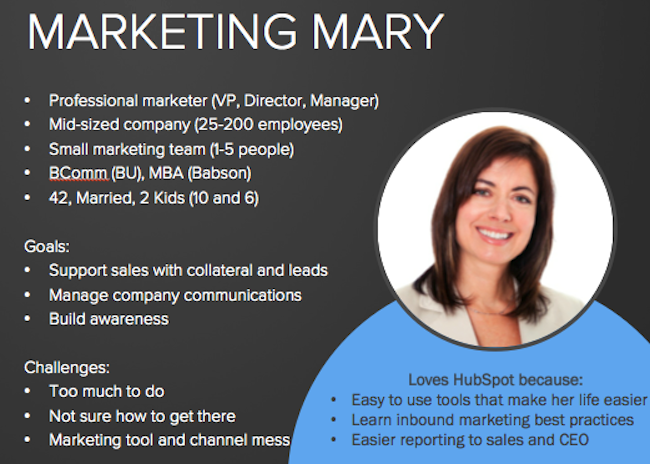
- Write down what you hear, including age range, location, situation, goals, fears, objections and where they spend time online.
- Expect surprises. Some residents will say they came for the dining or the activities. Others came because a friend recommended you, to be closer to family, or because they loved one floor plan.
It can help to give each persona a name, such as “Daughter Debbie” or “Planning-Ahead Paul”, so the team can talk about them easily.
Three ways personas pay off
1. You understand what families need to know
Writing out each persona’s situation shows you the problems they’re trying to solve, and that tells you what content to create. A great blog post for the adult-child persona might be “3 signs your dad may need assisted living”. For the planning-ahead senior, it might be a clear comparison of independent living costs against staying at home.
Rotate content across your personas so you don’t rely on one type of family: food and dining for the food lovers, activities for the social, walking paths for the active, the library for the readers.
2. You know where to reach them
Each persona spends time in different places online. Adult children may be on Facebook and searching Google on their phones at lunch. Referral partners may read industry newsletters. Knowing this tells you where to publish and where to spend your ad budget. Facebook’s ad targeting, for example, lets you reach adult children of seniors in your area. (See Senior Living Marketing on Facebook.)
3. Sales and marketing tell the same story
Personas are just as useful to your sales team. If a lead is tagged with a persona in your CRM, the salesperson can prepare before the first call. A conversation with a worried adult child after a fall is very different from one with a senior planning a move in two years. Tailoring each step of the sales process to the person you’re talking to makes it far more likely they’ll book a tour.
A MarketingSherpa case study found buyer personas contributed to a 171% increase in marketing-generated revenue.
Keep your personas current
Watch your results. Track which personas your leads and move-ins come from, which content each one responds to, and where your marketing has been leaning too heavily on one type of family. Revisit personas at least once a year, because families’ habits, especially how they search, keep changing.
Key takeaways
- A persona is a written profile of one type of family you want to reach.
- Most communities need three to five: the senior, the adult child, the spouse and referral partners.
- Build them from interviews with real residents and families, not guesses.
- Use them to choose content topics, ad targeting and channels.
- Share them with sales so every conversation fits the person on the other end.
If you want help turning what you know about your residents into a marketing and follow-up plan, book a call with NextWave.
Related reading: Using Inbound Marketing to Shorten the Senior Living Sales Cycle · How to Choose the Best CRM for Senior Living