
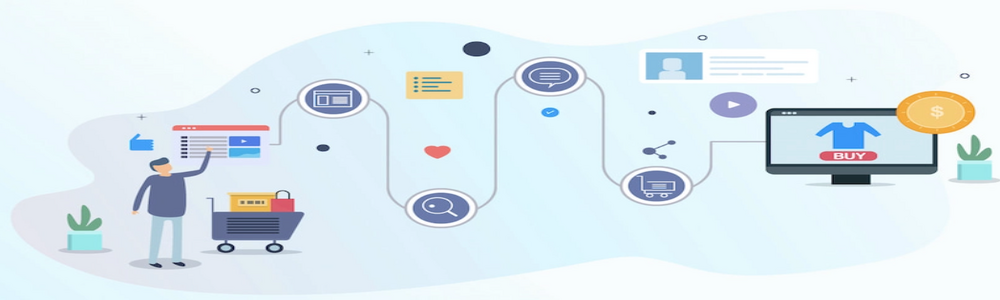
In senior living, the person filling out your form is often not the future resident. It is an adult child trying to work out what their mom or dad needs, how much it costs and who they can trust. They move through three stages before they ever book a tour: awareness, consideration and decision.
If your website and your sales team say the right thing at each stage, families trust you sooner. If you push “Book a tour” at someone who has just realised there is a problem, they leave. Here is what each stage looks like and the content that moves a family to the next one.
Stage 1: Awareness
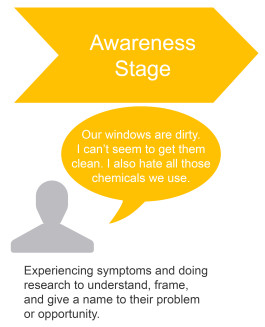
The awareness stage usually starts with a trigger. A parent falls. They become more forgetful. The house is getting too much for them, or they seem lonely. The adult child realises there is a problem, but they are not yet thinking about a specific community.
At this point they go to Google with questions, not to shop. Your content should answer those questions honestly and without a sales pitch.
Content that works at the awareness stage
Blog posts such as “How to know if my parent needs senior living” or “Signs it’s time for assisted living”. Checklists and short guides, such as “Tips for helping my parents age well at home”. Local events or talks that your target families already attend. Social posts that point back to these helpful pieces.
Stage 2: Consideration
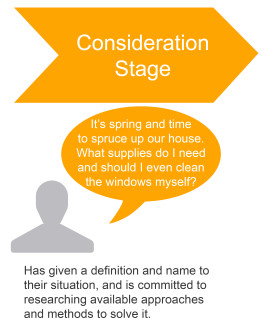
Now the family knows they need senior living and are comparing options. They want to understand care levels, see what daily life looks like and narrow down a shortlist. This is where your content should show why your community is the right fit.
Content that works at the consideration stage
A video or virtual tour of your community. A short introduction video from your sales director. Resident spotlights or case studies, with photos and quotes from residents and their adult children. A community brochure, floor plans and a “Guide to choosing a senior living community”. A cost-of-living overview or moving guide.
Give your sales team easy access to these pieces too. A link to the right video or guide in a follow-up email does more than another “just checking in”.
Stage 3: Decision
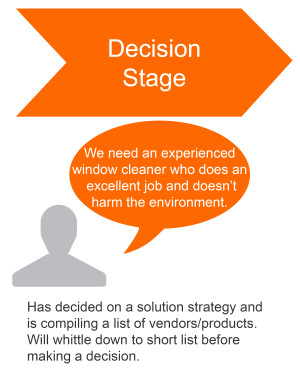
By the decision stage, the family has done most of its research. They are ready to talk to someone and visit. They want reassurance that they are making the right choice, and a clear next step.
Content that works at the decision stage
Google reviews and testimonials from current residents and families. A “Guide to paying for senior living” that covers financing options. Clear calls to action such as “Book a tour” or “Speak to our community sales director”. An invitation to a meet-and-greet, a meal or an event at the community.
Save the hard calls to action for this stage. Shown too early, they come across as pushy and can lose you the family altogether.
Use downloadable content to qualify leads
A downloadable guide, such as a financing or cost-comparison guide, attracts families who are further along. The form on that landing page can ask about move-in timeline and budget. Your sales team then knows which leads to call first and what to talk about.
Match the conversation to the stage
The closer your website content and your sales conversations match the stage a family is in, the more they will trust you. Do not give them too much too soon. Stay helpful, answer the question in front of them and make the next step easy.
Which stage of the journey does your community have the least content for right now?