
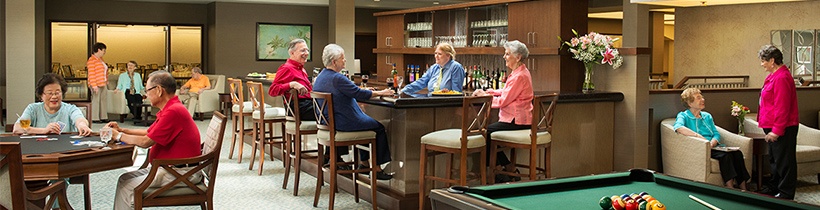
More Boomers are reaching the age where they are considering senior living, for themselves or for a parent. Many are caring for an aging parent while still supporting their own children. They are informed, they compare options carefully and they expect more than previous generations did.
Argentum, the national association for professionally managed senior living, identified seven trends that will reshape the industry over the next decade. Below is each trend, followed by what it means for how your community markets and sells.
7 trends shaping senior living
1. Higher resident expectations
Residents want to live among their own things and keep their independence, not move into something that feels institutional. They expect resort-style grounds, reliable Wi-Fi, good dining choices and a real calendar of activities, from fitness classes and book clubs to outings to theatres and restaurants. Many also care about sustainability.
2. Industry quality metrics
Argentum has introduced professional standards for senior living operators covering resident rights, quality improvement, workforce practices and compliance. As senior living and healthcare work more closely together, these measures will matter more, but they should not turn every community into the same product.
3. More dementia support
Memory care is changing the assisted living model. Communities that offer programming built around each resident’s history and interests, and teams trained to meet residents where they are, will be in high demand.
4. Workforce development
Recruiting and keeping compassionate, qualified staff is one of the industry’s biggest challenges. Younger staff expect ongoing training and modern tools, and software that automates scheduling, care plans and admin frees caregivers to spend more time with residents.
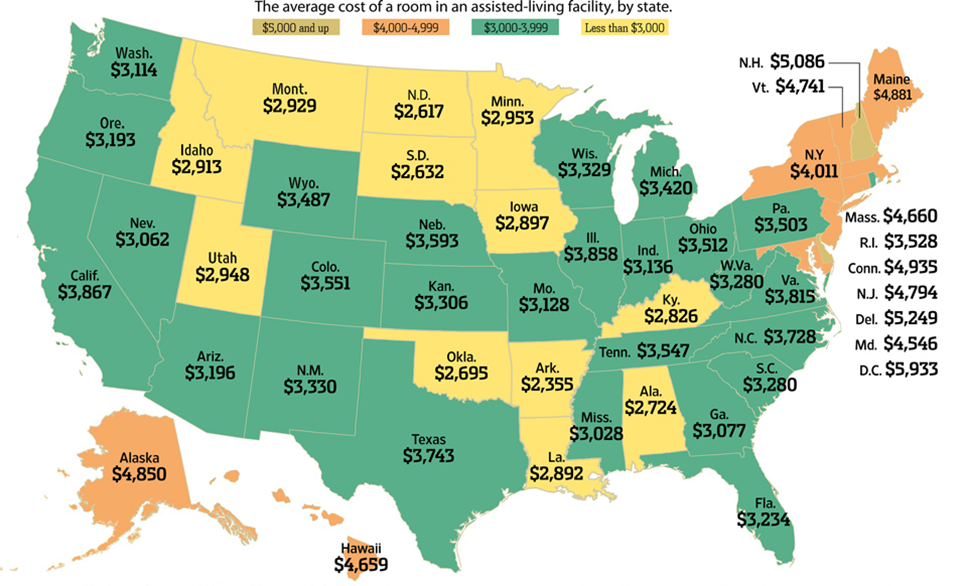
5. Rising costs
Operators need to balance what residents want with what they can afford. Families who plan early, with a clear picture of costs and how they will pay, make decisions with far less stress.
6. Connected technology
Connected devices, remote monitoring and telemedicine will help residents manage chronic conditions, stay safe and see clinicians without leaving the community.
7. Consumer education
Most families do not know what long-term care costs, who pays for it or what the options are. Communities that explain this clearly will earn trust early.
What families weigh when they choose a community
These trends show up in the four factors that drive most families’ decisions.
Cost and value
Price causes hesitation, but families will pay for quality when they can see the value. Show what is included, such as amenities, services and care, so the price makes sense.
Types of care available
Families want to know exactly what care is offered now and later: independent living, assisted living, memory care or skilled nursing, and which health professionals are on site. Make this clear on your website.
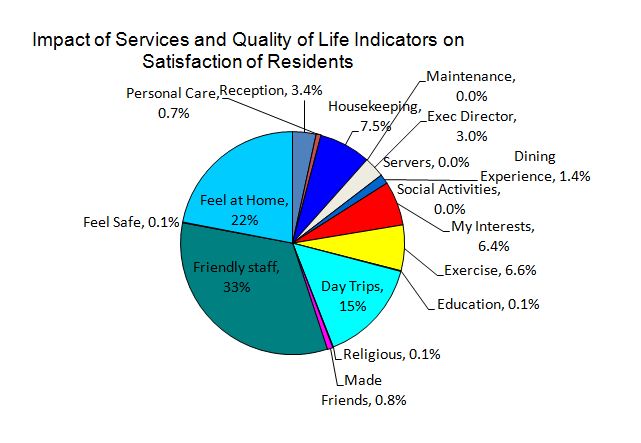
Social programs and activities
Many seniors fear that moving means giving up the life they enjoy. Show what a typical day looks like, list your activities and share photos and videos of residents taking part.
Building and location
Families want a community that looks and feels like home, in a location that works for them. Use real photos, video tours and virtual tours, not just written descriptions.
What this means for your marketing
Today’s prospects, and the adult children helping them, research online before they ever call. Meet them there. Publish content that answers their questions about cost, care and daily life. Use video and real photography to show your community. Keep your Google profile, directory listings and website up to date.
Traditional marketing still has a place, but it is hard to measure, hard to scale and tied to the size of your budget. A mix of helpful content, digital advertising and fast, human follow-up lets communities of any size compete with the largest operators.
Which of these seven trends is having the biggest impact on your community right now?